• Dr. Nate Petley - Harvesting Medicinal Plants - Herbal Preparations

    Roasted Chicory Root

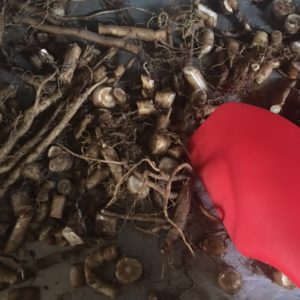
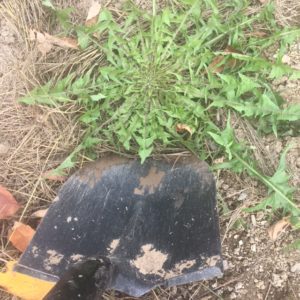
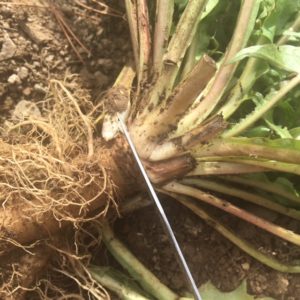
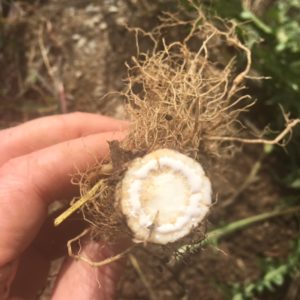
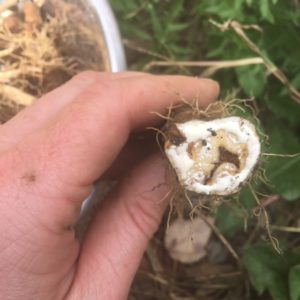
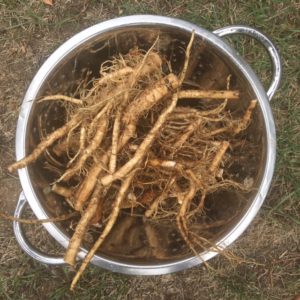
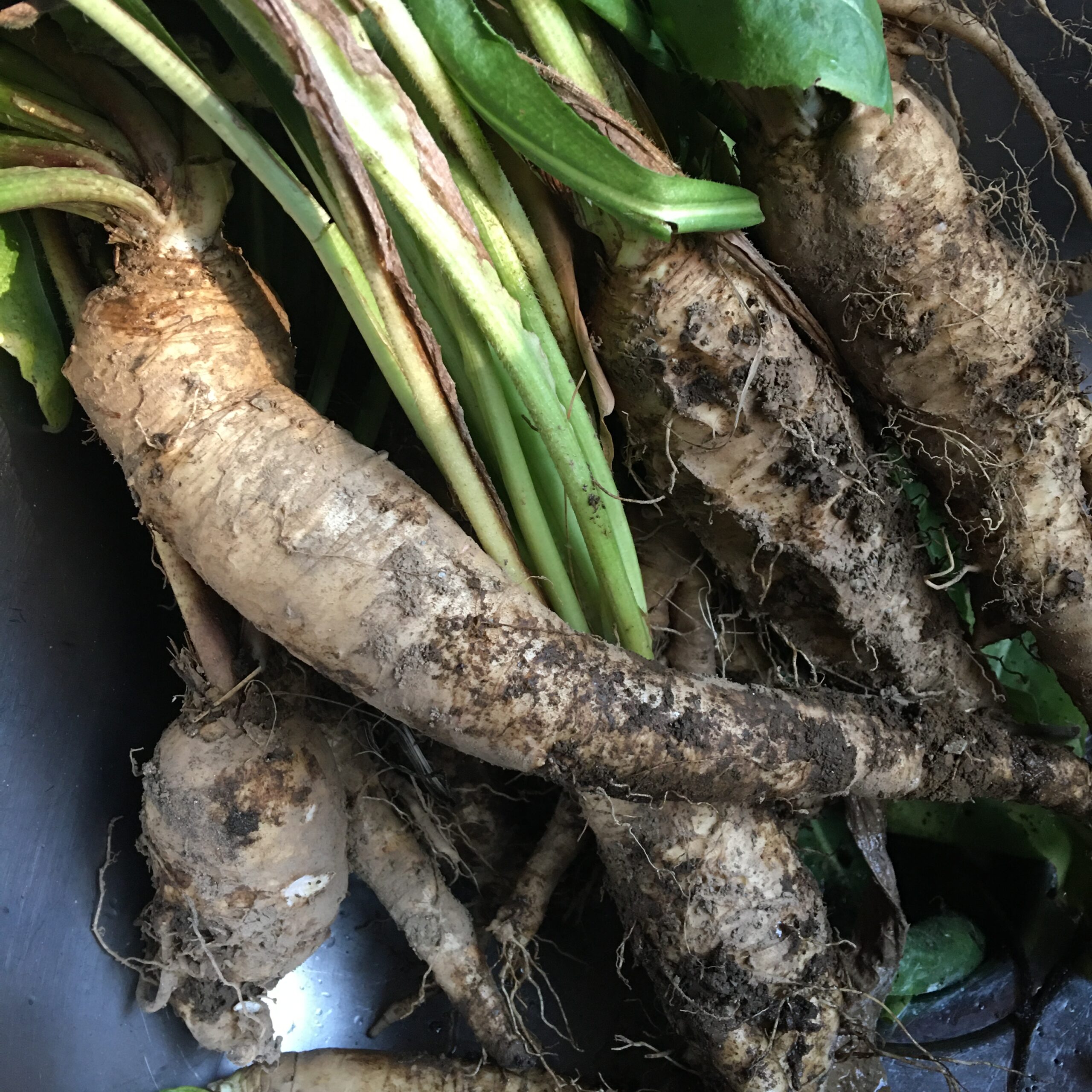
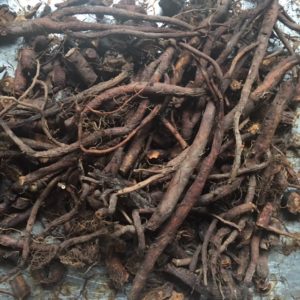
    Harvesting the Chicory Root

    Here in Maine, autumn typically means a slowing down of the typical gardening tasks of weeding and watering and an increase in winter preparation, planting garlic, and in my yard, harvesting and preparing winter roots.

    When the leaves have shifted from their brilliant reds, oranges, and yellows to November browns, I know it’s the right time to start harvesting roots of medicinal and culinary herbs. By November, at least here in Maine, the frosts have killed back much of the garden foliage and the colder temperatures are preventing any significant leaf growth. The herbal teachings engrained in my brain have always directed harvesting the roots (of herbs such as dandelion, burdock, yellow dock, chicory, teasel, and so many more) after the first killing frost when the plant is no longer shuttling nutrients from the leaves to the roots. Chicory is a prime example of a biennial herb that should be harvested in the fall of the first year of growth (or early in the spring of its second year) when it is in its vegetative state and not in the second year when it is focusing on flowering and producing seeds. If the plant has a flower stalk, it is no longer useful to herbalists but look near it because you will likely find the leaves of first year plants.

    Take a look in a plant identification book for the proper keying of chicory (Cichorium intybus Linnaeus). Compare similar-looking plants such as large-leaved aster (Aster macrophyllus) and blue lettuces (Lactuca spp.). A related species is Cichorium endiva (better known as endive). Chicory is a member of the Aster family (Asteraceae) and produces daisy-like flowers that are stalk-less and about an inch and a half in diameter. The flowers are bright blue (although they can on occasion produce white and pink flowers) and produced from May to October. The petals are square-tipped and fringed. The flowers tend to close in the late afternoons and whenever it is overcast. The leaves grow in a rosette arrangement, and much like dandelions, they will exude a milky sap when broken. It will typically grow to two to four feet in height (although in rich soil and ideal conditions it can grow much taller).

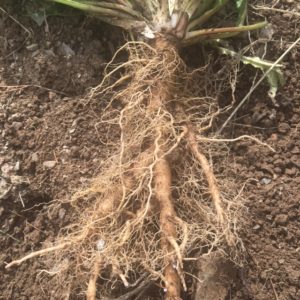
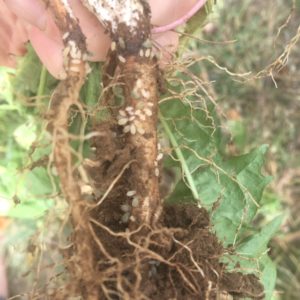
    Chicory is native to Europe but has naturalized throughout the United States. It forms large, fleshy taproots that are surprisingly easy to dig up. I scattered seeds in a corner of the garden and now have a consistent supply every year and enough to keep me supplied with homemade roasted chicory root tea all winter long. Chicory can be found in waste places (wherever there is disturbed soil), fields, pastures, and along roadsides. Avoid those along the roads or anywhere chemicals are a concern.

    The roots are washed, chopped and roasted similar to the way dandelion roots are roasted (see link for harvesting, roasting, and making roasted dandelion root tea: Part 1 and Part 2).

    Roasted chicory root tea is an excellent beverage for its earthy and mildly bitter flavors – making it an ideal tea any time of the day. It contains no caffeine and instead offers plenty of beneficial phytonutrients (including inulin). Being mildly bitter, it is supportive of the entire digestive system so consider it as an after-dinner tea especially when blending it with warming spices such as ginger, cardamom, cinnamon, and nutmeg.

    Roasting the Chicory Root

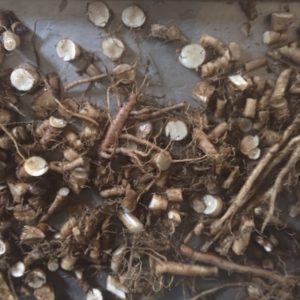
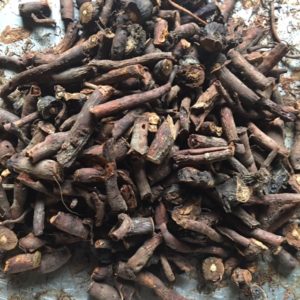
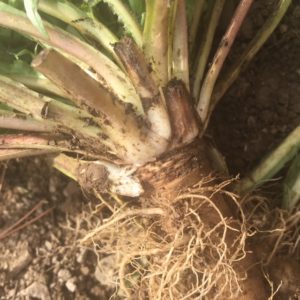
    Wash the freshly dug chicory roots outdoors and cut off the tops (they make great compost!). Pay attention to soil stuck in crevices and any insect holes. Once back inside, preheat the oven to 250F. Give the roots one final wash, inspecting them and cutting out any questionable spots. With a sharp chef’s knife, cut the roots into small pieces, about the size of a pea. Try to make them relatively uniform in size so that they roast and dry at the same rate. Not feeling handy with all that chopping? Another easy method is to rough chop the roots and further work them in a food processor.

    Lay the chopped roots on a baking sheet, spreading them in a thin layer. It’s faster to use two sheet pans instead of trying to pack it all onto one (trust me on this one). Roast for several hours, checking on them every so often and giving them a stir. Check more frequently as they start to dry and turn brown. The time it takes to finish depends on the size of the roots, the temperature of the oven, and the depth of the layer.

    My pan often gets a little smoky towards the end of the process, so I learned to finish it off outdoors with a gas grill (with the temperature set to its lowest option). If your smoke detector also sounds like it was made for an industrial building, you might like this option, too. I like my chicory root on the darker side of roasted as it offers a more robust flavor in the final brew.

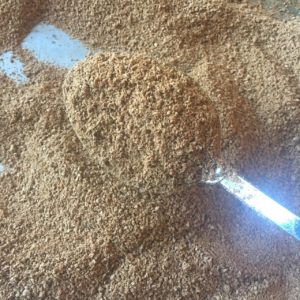
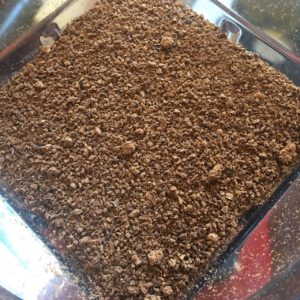
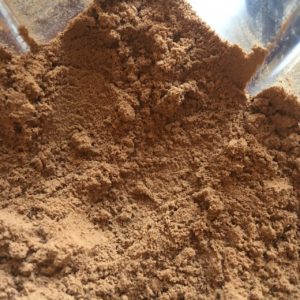
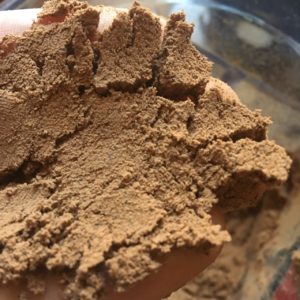
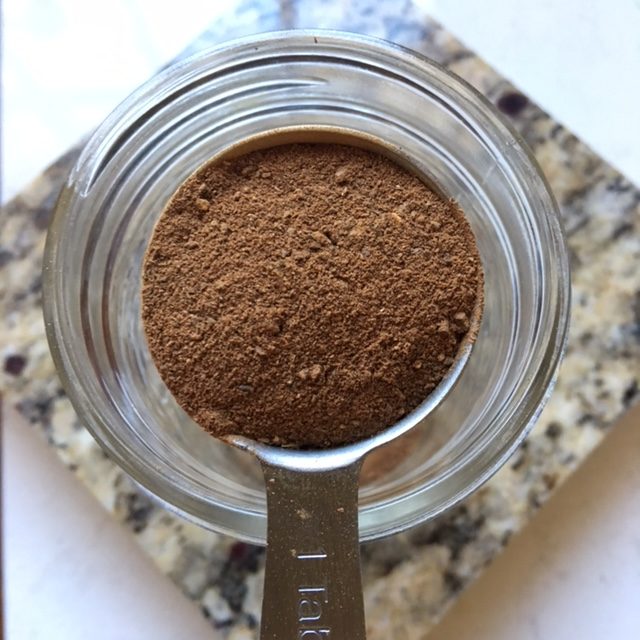
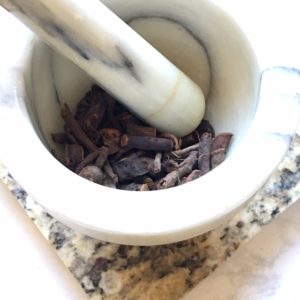
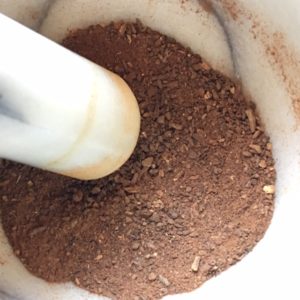
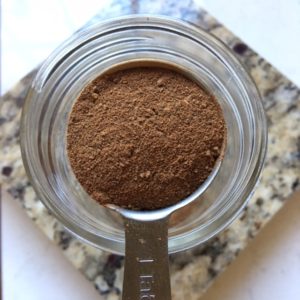
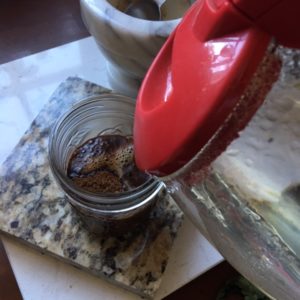
    When the roots are thoroughly dried and sufficiently browned, remove from the heat and allow to cool to room temperature. The roots can be further ground using a mortar and pestle, coffee grinder, or the dry canister of a more powerful blender/mixer until they resemble the texture of ground coffee. You can do this all at once when the chicory root cools, or store them as is and grind them as needed. Store the small pieces or ground chicory in a glass jar for winter storage and place in a cool, dry location away from light. It keeps well for a year, likely longer, but I’ll never know because I tend not to have much left by the next fall regardless of how much I make each year.

    Click here for Brewing Roasted Chicory Root

    [ngg src=”galleries” ids=”1″ exclusions=”5,9,15″ sortorder=”4,1,3,2,6,5,7,8,9,10,12,11,13,14,15,16,17″ display=”basic_thumbnail” thumbnail_crop=”0″]Dr. Nate Petley is a naturopathic doctor and clinical herbalist.  He offers a three-year herb apprenticeship in Maine and lectures throughout New England sharing his expertise in naturopathic and botanical medicine. Dr. Petley blends the art and science of herbalism in his clinic and classroom, relying on his 20 years of experience studying, wildcrafting, and making herbal medicine. Information provided is for educational purposes only. It is not intended to diagnose, treat, cure or prevent any disease, nor is it a replacement for seeking proper medical attention.

    To help keep this site full of information and no ads, please consider a one-time or continual donation to support this website and blog. Ads can slow down page loading, track your whereabouts, and are simply annoying to scroll over when reading an article. Click here to support.

    Dr. Nate Petley, ND  |  www.drpetley.com  |  2020. All rights reserved.  All text and photos are the property of Nathaniel Petley, ND.

     

  • Dr. Nate Petley - Harvesting Medicinal Plants

    5 Useful Wild Weeds From Your Backyard

    I wandered the backyard this morning before work to see what was popping up in my central Maine gardens. With these past few rainy days of spring, plants are slowly pushing through the soil. Truth be told, I was really just hoping the dandelions were up enough for a little snack. I was in luck! I was able to forage enough leaves for a quick sauté with garlic and have enough for a fresh tea later in the day.

    I love this time of year! This first taste of wild greens effectively shook off the last clutches of winter. Spring, for me, has officially arrived. I will be foraging the backyard from now until after snowfall, collecting for food and herbal medicine. The following herbs, in no particular order, are just a few I encourage to grow where they like. 

    1. Dandelions (Taraxacum officinale, Asteraceae):

    Dandelion LeavesWhy struggle and fight with the dandelions? As the saying goes, “If you can’t beat ‘em, join ‘em!”  I say, “If you can’t beat ‘em, eat ‘em!” Dandelions are one of the first flowers in spring that provide food for bees and other insects. This in turn keeps them around later when our vegetable gardens are in bloom with peas, beans, tomatoes, and squash. It just so happens that these dandelions are also one of our sources of wild food!

    The entire dandelion plant is edible – leaves, roots, flowers, and buds.  The leaves can be harvested as soon as they start growing and added fresh to salads, sautéed, or when they get larger cooked as a potherb, much like one cooks spinach. The leaves are most tender (and less bitter) before flowering and easy to collect by snipping off individual leaves at the base, thereby preserving the root and crown to produce more leaves and flower buds. They are also easier to clean this way. The leaves are a powerful source of fiber, vitamins (including A and C), and minerals (including calcium and potassium). Medicinally, the bitterness of the leaves stimulates the appetite and supports the entire digestive system. They have a special affinity to the kidneys and act as a useful diuretic; they are so potassium-rich that they replenish faster than depleting potassium, unlike most diuretics.

    The roots are useful as a liver tonic and digestive aid. They can be harvested late fall after the first killing frost or early spring before much leaf growth has developed. I either decoct them into tea (download a free quick guide here) or roast them and use all winter as a flavorful and rich roasted dandelion root beverage. It can be used as a, dare I say, coffee substitute. (Click here to learn how to harvest the root and make the brew!)

    The flower buds can be made into delicious wild capers (click here to learn how). Be sure to allow some of the buds to develop into flowers for the insects. The flowers can be dipped in batter and deep-fried or fermented into a tasty wine.

    1. Yarrow (Achillea millefolium, Asteraceae)

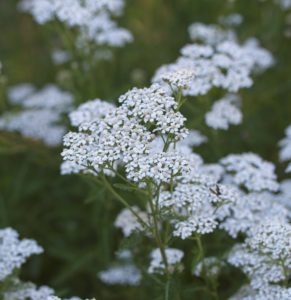
    Yarrow is an excellent addition to the flower garden or along the lawn edge. They can grow one to two feet tall and have beautiful white flowers. I look for the small highly dissected leaves in my lawn and transplant them into my garden in large masses. Each year I harvest the flowers (snipping just blow where the flowers join the stem). Of course, I leave plenty for the bees and butterflies and for self-seeding. Medicinally, it has a long history of use as a diaphoretic (causing the body to raise its own thermostat triggering the body to sweat) and antimicrobial, making it shine when used for the cold and flu. Historically, it has been added to formulas for hemorrhoids. Because the herb is quite bitter, I prefer making a tincture from either fresh or dried flowers. It can also be used topically as a poultice for its styptic and anti-inflammatory properties. Poultices are made by chewing on the leaves or flowers (or macerate in a mortar and pestle) until it is a pulpy, watery mush, and in this case,applied to minor scratches to stop bleeding. When hiking, I always ask my friends in need if they’d like to chew and spit the yarrow on their bleeding scrapes, or shall I. They never seem to mind or complain about that bitterness!

    1. Common Plantain (Plantago major, Plantaginaceae)

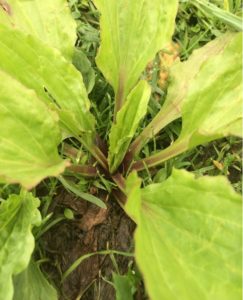
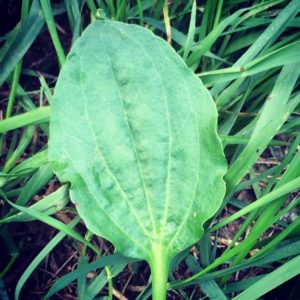
    Plantain is a non-native, well-established wild plant, appropriated dubbed “white man’s footprints” due to the fact that it was introduced when the early settlers arrived from Europe and it grew wherever they walked. It is a plant that grows best in disturbed soil (look for them in lawns and gravel driveways). This is an herb with endless uses as a poultice. It is soothing and cooling to bug bites, sunburns, poison ivy, and minor scrapes and scratches.  Simply chew on a fresh leaf (or macerate in a mortar and pestle) until it is a pulpy, watery mush. Then simply smear some on the afflicted skin. The leaves can also be made into a tea and sipped on for quick heartburn relief or used as a mouthwash for sore gums and cankers.  The seeds can be chewed as a source of healthy oils and fiber – this is our version of Plantago ovata, the source of commercially-grown psyllium seed.


    1. Red Clover (Trifolium pratense, Fabaceae)

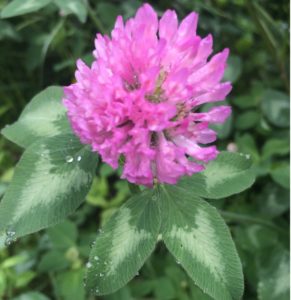
    Clover is commonly found in lawns and gardens – just look for the signature three (and if you’re lucky four) leaves.  It is commonly used as a cover crop in fields to help suppress other weeds and then easily turned with a spade or tilled. Clover, being a member of the legume family, is beneficial to the soil and surrounding plants as they are nitrogen-fixers. The roots contain nodes that work with symbiotic bacteria in order to capture nitrogen in the air and make it readily available to the plant.

    Clover blossoms are attractive to many insects including butterflies and wild bees. Harvest after the morning dew has dried and either use fresh or quickly dry for use as a winter tea (be sure that the blossoms do not brown in the drying process). They are also make fun additions to salads for a little color and touch of sweetness. I love adding whole blossoms to my sun teas. The leaves are rich in minerals and make a tasty tea. Medicinally, the flowers are used as a liver and blood cleanser and for skin conditions such as eczema. They are also rich in phytoestrogens making them a common herb to add to formulas addressing the menstrual cycle and menopause.

    1. Goldenrod (Solidago spp., Asteraceae)

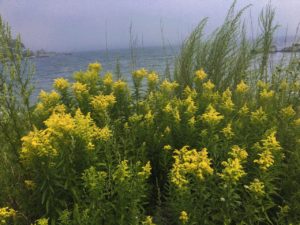
    While often considered the source of all fall allergies, this showy late summer/fall flower is unfairly blamed while the inconspicuous common ragweed (Ambrosia artemisiifolia) goes unnoticed. Both are in the same Asteraceae family, but in different tribes (Astereae vs Heliantheae) which is why they look very different from each other. More importantly, the pollen of goldenrod is sticky so that it is readily carried to other flowers by way of bees and other pollinators, not by air. The pollen of ragweed, however, is designed to be airborne and is not spread by bees; the plant produces an abundance of pollen that can be carried for miles in the wind. The goldenrod is an excellent plant to allow growing at the edge of the lawn and in the garden partly for its simple beauty but also because it is one of the last sources of food for bees. Medicinally, the flowers can be made into a tea or tincture and used for mild kidney and lung complaints due to its diuretic, anti-inflammatory, and antiseptic properties. Unlike popular belief, goldenrod can actually be used for allergy season.

    Dr. Nate Petley is a naturopathic doctor and clinical herbalist.  He offers a three-year herb apprenticeship in Maine and lectures throughout New England sharing his expertise in naturopathic and botanical medicine. Dr. Petley blends the art and science of herbalism in his clinic and classroom, relying on his 20 years of experience studying, wildcrafting, and making herbal medicine. Information provided is for educational purposes only. It is not intended to diagnose, treat, cure or prevent any disease, nor is it a replacement for seeking proper medical attention.

    To help keep this site full of information and no ads, please consider a one-time or continual donation to support this website and blog. Ads can slow down page loading, track your whereabouts, and are simply annoying to scroll over when reading an article. Click here to support.

    Dr. Nate Petley  |  www.drpetley.com  |  2019. All rights reserved.  All text and photos are the property of Nathaniel Petley, ND.
  • Dr. Nate Petley - Harvesting Medicinal Plants - Herbal Preparations

    Dandelion Capers

    Dandelion Capers

    Nothing is more satisfying than foraging food from the backyard.  This spring I have been eating dandelion greens at least twice a day, sauteed in olive oil and garlic.  They are high in trace minerals, calcium, and iron, and vitamins A, C, and B6 – a very nutritious early spring addition to any meal.  Best of all, they are free!  Be sure to only collect from clean lawns and gardens that have not been sprayed with herbicides and pesticides.   

    Dandelion Flower Buds ~ Dr. Nate Petley
    Dandelion Flower Buds ~ Dr. Nate Petley

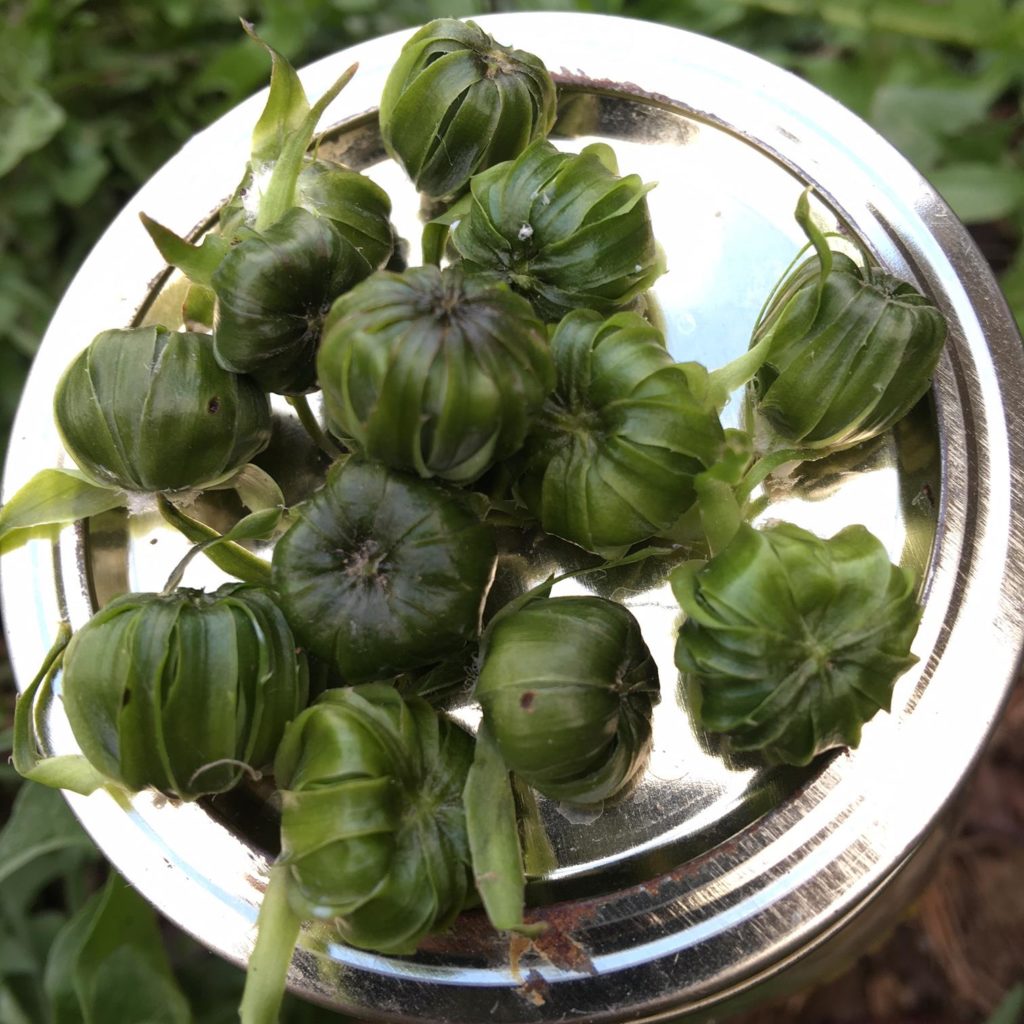
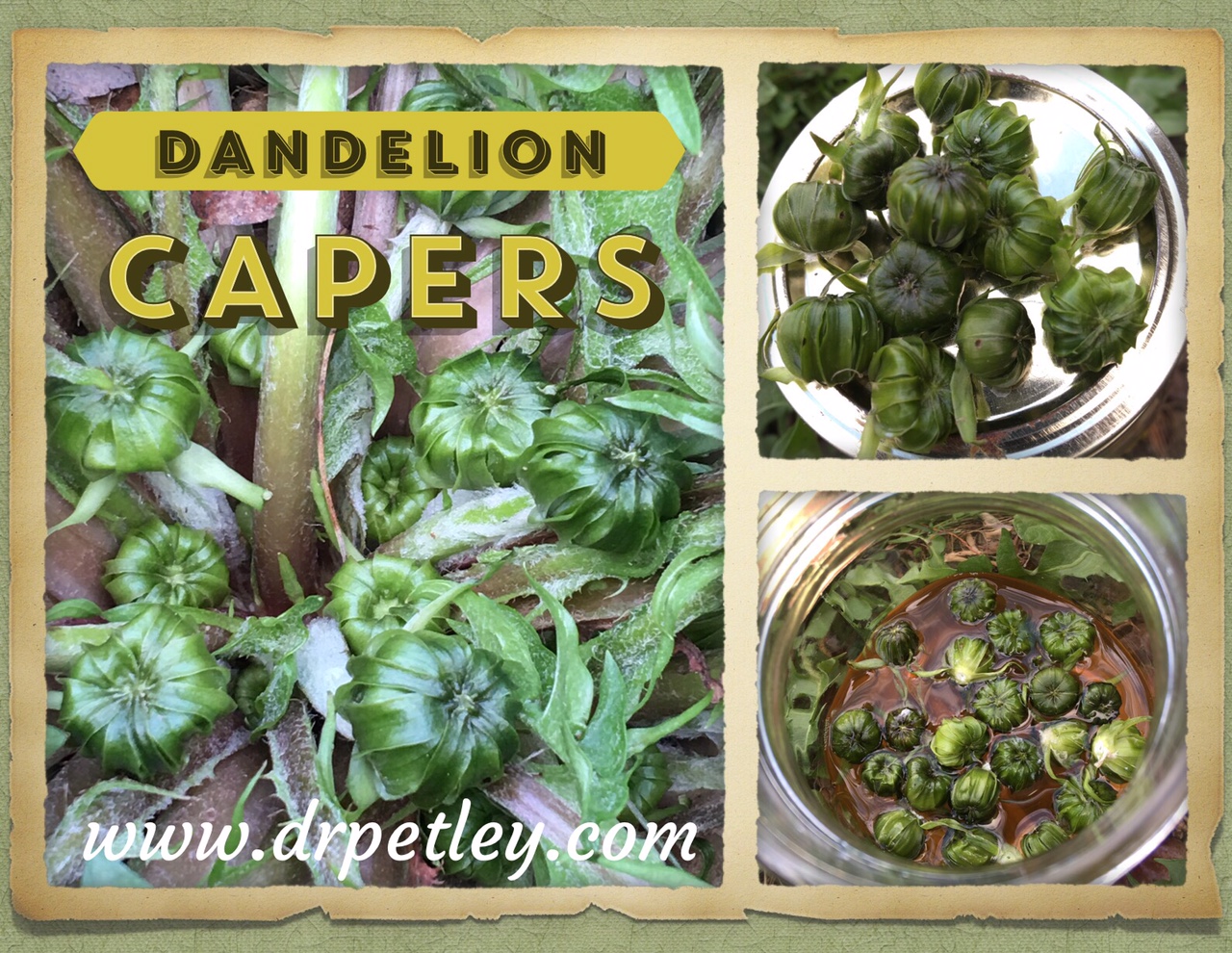
    Sure, us weed-eating folks do get quizzical looks when munching on things in the lawn.  While we won’t likely convince everyone to chow down on bitter dandelion greens, we might be able to prove their worth with this simple recipe utilizing the flower buds.  Next time you reach for capers in a recipe, try dandelion capers instead!  They add pizazz to salads and pasta dishes, and they are extremely easy to make.

    Dandelion Flower Buds ~ Dr. Nate Petley
    Dandelion Flower Buds ~ Dr. Nate Petley

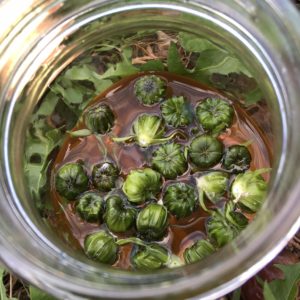
    Before the dandelion flowers open in spring, collect a handful or so of small buds (they should be bright green and almost spherical).  I pick a few of the buds from lots of different plants around the garden because dandelions are one of the earliest available flowers for bees and nectar-loving insects.  Please don’t mow, don’t spray, and don’t dig.

    Making Dandelion Capers ~ Dr. Nate Petley
    Making Dandelion Capers ~ Dr. Nate Petley

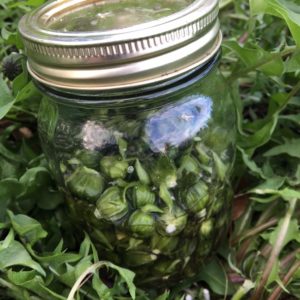
    Once you have collected a few, place them in a small jar and cover with vinegar (I use raw apple cider vinegar because after I eat the capers I use the leftover vinegar on salads).  Some online recipes suggest using dilute vinegar, but I use it straight up because dandelions are full of water which naturally dilutes the vinegar a little.  Add salt as desired – capers are traditionally salty so don’t be shy with the salt.  Cover and shake gently until the salt dissolves.  Let set about a week before tasting them; adjust the salt as needed.  They will last for several months in the refrigerator, except that I eat mine long before they ever get a chance to spoil.

    Making Dandelion Capers ~ Dr. Nate Petley
    Making Dandelion Capers ~ Dr. Nate Petley

    Try some tasty variations on this simple recipe.  Add garlic, peppercorns, coriander seeds, dill, oregano, rosemary – you get the picture.  Also try different types of vinegar, like red wine, white balsamic, or homemade.

    Back to the dandelion greens… As soon as the snow melts and the dandelion leaves start to grow, pluck individual leaves from all around.  This is my preferred method of harvesting.  Growing up, we would take a knife and cut the entire rosette of greens.  Over the years I have learned that this only ensures a sink full of soil, leaf litter, and burrowing insects.  Now, I just pluck leaves for a cleaner harvest requiring only a few quick rinses before eating. 

    Dandelions: nutritious, delicious, and wild!  Happy harvesting!


    Dr. Petley
    Dr. Nate Petley, Naturopathic Doctor & Clinical Herbalist

    Dr. Nate Petley is a naturopathic doctor and clinical herbalist.  He offers a three-year herb apprenticeship in Maine and lectures throughout New England sharing his expertise in naturopathic and botanical medicine. Dr. Petley blends the art and science of herbalism in his clinic and classroom, relying on his 20 years of experience studying, wildcrafting, and making herbal medicine.

    Dr. Nate Petley  |  www.drpetley.com  |  2017. All rights reserved.  All text and photos are the property of Nathaniel Petley, ND.

  • Dr. Nate Petley - Herbal Preparations - Plant Wisdom

    The Medicinal Kitchen Cupboard

    Herbalism is something that begins at home.  It is the knowledge of treating ourselves with the healing power of herbs.  These herbs can be from far off exotic lands or those growing locally.  Here in Maine, the backyard is currently covered with a thick white blanket that has tucked the herbs in for a long winter’s rest.  This is the way of the land. 

    For Maine herbalists, however, this doesn’t end our ability to practice herbal medicine.  Even if we run out of all the preserved herbs from the warmer days of summer, we still have ample sources of highly medicinal herbs throughout the cold months of winter.  Herbalists know just where to look for the secret stash to sustain those in need and the journey takes us no further than the kitchen cupboard.  No matter where the herbalist is, there is always beneficial medicine found in the kitchen.    

    Kitchen herbs and spices are too often referred to as nothing more than culinary ingredients.  However, herbalists know there is a world of usage beyond the flavors these herbs provide.  The herbs and spices most notably stored in the spice cabinet are full of volatile oils that readily release their scent when crushed, steeped, or cooked.  These oils are not just aromatic, though, they are also medicinal.   Herbalists over the eons have learned how to harness these aromatic herbs to treat common complaints like an upset stomach, sore throat or common cold.   The same oregano that you used for dinner last night and the cinnamon you added to your breakfast this morning hold potent medicinal properties, when used correctly and appropriately. 

    Herbalism is the knowledge of how to, how much to, when to, and when not to use these herbs medicinally.  This knowledge is typically taught in herb apprenticeships where students receive not only academic knowledge but hands-on guidance.    

    Here is a short list of herbs that you likely know and might already have available in your kitchen cupboard.  The information provided is to introduce the wonders of the spice cabinet, not treat or diagnose any condition without the guidance of a practitioner trained in herbal medicine. 

    Ginger: This is a common rhizome that is easy to find fresh or dried.  Both work great but I mostly reach for fresh ginger. Here’s a tip to keep your fresh ginger around longer – store it in the freezer and when needed, simply grate or chop with a sharp knife.  Ginger is considered warming and anti-inflammatory making it a useful remedy for the winter chills or the common cold.  The use of ginger has been proven as an anti-nausea remedy and can be sipped as needed throughout the day for an upset stomach.  To make a tea, place one tablespoon of freshly chopped ginger in eight ounces of water.  Simmer on the stove for ten minutes.  Strain as you pour it into your favorite mug, unless you like to nibble on the potent ginger pieces as you drink.

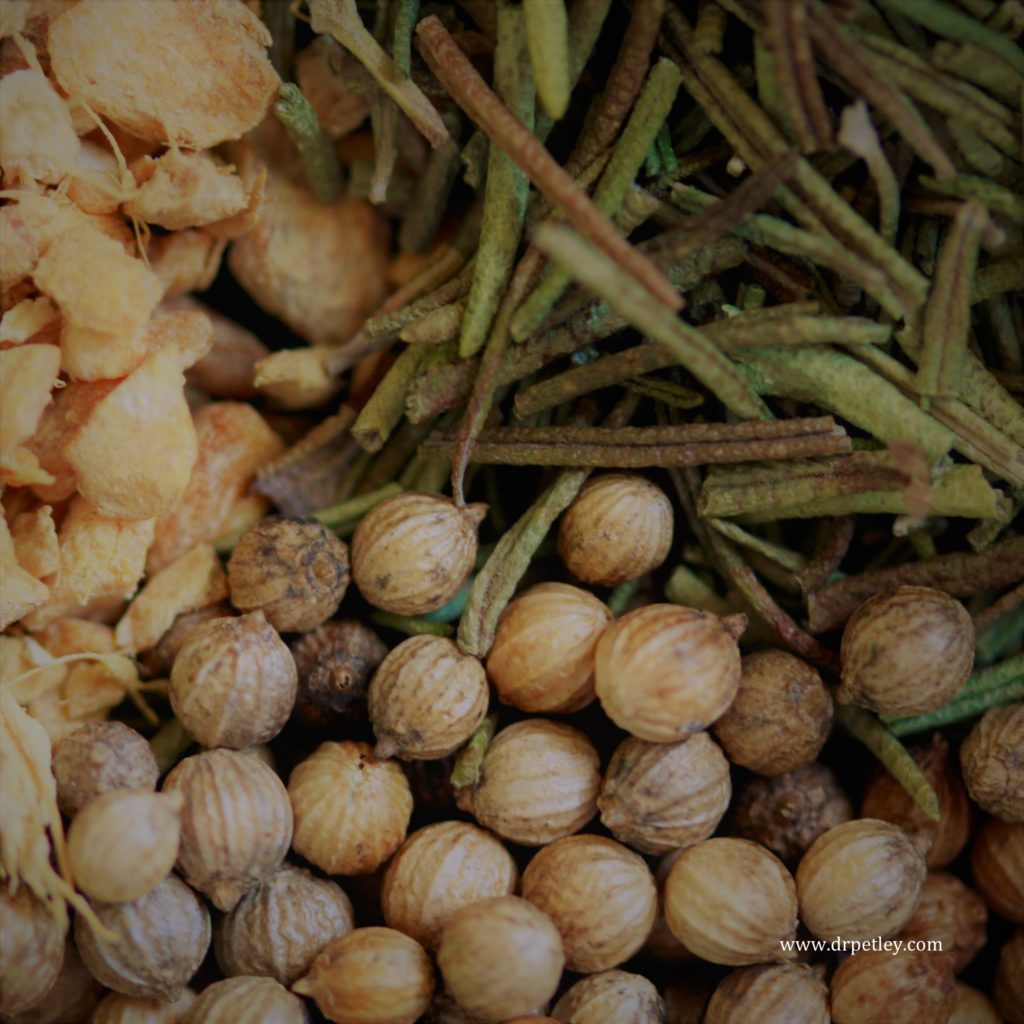
    Fennel, Coriander, and Cumin:  Herbalists classify these spices as carminatives, meaning they help relieve abdominal gas and bloating.  They have a long history of use as an after-dinner remedy either singly or in combination.  My favorite recipe is simple: combine one teaspoon each of the whole seeds of fennel, coriander, and cumin in a small jar.  I like to chew a quarter teaspoon of the blend whenever I overeat and repeat as needed up to four times.  For those who don’t like the idea of seeds getting stuck in their teeth, the same mixture can be made into a tea and sipped after dinner.  To make, place one teaspoon of the blend in eight ounces of just boiled water and steep covered ten minutes.  Strain and enjoy.     

    Sage, Oregano, Thyme: These herbs contain volatile oils that are effective against many viruses and bacteria.  A strong tea of any of these herbs or in combination can be used as gargle for a sore throat.  To make, place one tablespoon of the chosen herb or a teaspoon of each of these in eight ounces of freshly boiled water and steep covered until cool to the touch.  Strain and gargle with a small sip of the tea throughout the day.  Avoid using powdered herbs for this tea because they are difficult to strain well and could feel like swallowing sandpaper.  Some herbalists will dissolve a teaspoon of salt into the strained but still warm tea to further improve the properties of the gargle.  The volatile oils that are carried through the steam of the tea can help with a stuffy nose.  To try this, make the same tea as above (no salt) but instead of covering it while steeping, either breathe in the steam as it rises or create a tent using a cloth towel placed over your head and the shallow pot of the tea.  Breathe in slowly through the nose.

    Keep in mind that when using herbs medicinally they must be of high quality. This means that if your sage was purchased at the turn of the century, it is no longer considered medicinal.  They should be stored in glass jars away from heat, light, and humidity.  These are all factors that cause the aromatic oils to evaporate faster and mar the potential of the herbs.  For optimum flavor and medicinal value, store the seeds and leaves in their whole form and only grind them when needed in a recipe (except for cinnamon, of course, which does not powder easily).  Another reason to store whole herbs and spices is because the powdered form is difficult to strain when making tea.  Using herbs medicinally sometimes means consuming larger doses than a pinch or two at a time, so buy organic when available. 

    Above all, never underestimate the simple or the mundane.

    Dr. Nate Petley is a naturopathic doctor and clinical herbalist.  He offers a three-year herb apprenticeship in Maine and lectures throughout New England sharing his expertise in naturopathic and botanical medicine. Dr. Petley blends the art and science of herbalism in his clinic and classroom, relying on his 20 years of experience studying, wildcrafting, and making herbal medicine.

    Dr. Nate Petley  |  www.drpetley.com  |  2017. All rights reserved.  All text and photos are the property of Nathaniel Petley, ND.
  • Dr. Nate Petley - Harvesting Medicinal Plants - Herbal Preparations

    DIY: Acorn Flour

    acorns-2

    The days are shortening and the nights are getting cooler. The animals are scurrying around preparing for the winter ahead.  The leaves have already turned their brilliant reds and yellows and oranges, and are now settling on autumnal tans and browns.  A new scent of decaying leaf litter fills the nose.  The wind rattles drying leaves still hanging on their branches above.  The squirrels laugh from high on the branches and dart about.  This walk through the woods is a noisy walk, unlike the peaceful quietude of a morning stroll during the summer. Thuds, boinks, and plunks start from overhead and then sound as if they are coming from all directions.  It’s almost as if someone, or something, is practicing using a sling shot from above.  A crunch underfoot startles the meditative mind and a quick glance down indicates what was stepped on.  Acorns!  

    Oaks are deeply embedded in culture and lore, but in many areas today they are cast aside as nothing more than yearly sources of leaves to rake.  However, the forgotten acorn is not forgotten by the animals of the woods; it is a source of food that sustains life.  Ralph Waldo Emerson stated it best, “The creation of a thousand forests is in one acorn.”  Endless years of food, shelter, and oxygen.

    It is unfortunate that the early stories of acorns being a source of food for people turned into warnings of “Don’t eat those, they will make you sick.”  Although rightly so, the acorn eaten raw might make one sick, the wise warning tends to stop there making it sound like acorns are highly poisonous.  Over time, people have learned to depend less on wild food and opt more for the field and plow.  It’s been so long since eating acorns was considered completely normal that folks have forgotten the art of processing them into edible food.  In today’s culture, there are far fewer grandmas and grandpas who share stories of their own elders eating acorns during times of hardship, and even more members of the younger generations who consider eating an acorn a foreign idea.  Except that it needn’t be that way.

    Processing the acorns to make them palatable and digestible is not rocket science – one just needs to understand a few guidelines that were established millennia ago.  Our ancestors knew how and it’s time we experience it again.  Oak trees can be found in temperate forests all around the world and have long been a source of highly nutritious wild food and medicine.  Acorns of any species of oak can be processed into food, but there are nuances between various species that an acorn connoisseur might consider when choosing the trees from which to harvest.
    So, before assuming acorns are only for squirrels, consider collecting a few to make your own flour.  Try different species and different methods to process them.  The flour can be incorporated into pie crusts, pancakes, and gluten-free recipes, added to soups and stews, or eaten like a nut.  The options are endless once the acorn is properly processed.

    Red Oak Leaf
    Dr. Petley – Red Oak Leaf

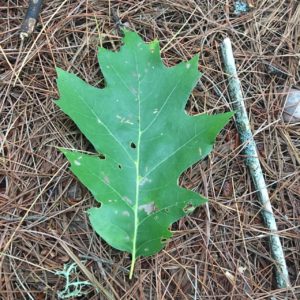
    The first rule to harvesting wild food is to identify the plant (or tree) before collecting.  Here is the leaf of the red oak (Quercus rubra). Generally, red oak leaves have pointed lobes whereas white oak leaves have rounded lobes.  If you are unsure about your local trees, ask an herbalist or someone knowledgeable about wild plants.  Review several field guides that include our local region.

    Dr. Petley - Red Oak Acorn
    Dr. Petley – Red Oak Acorn

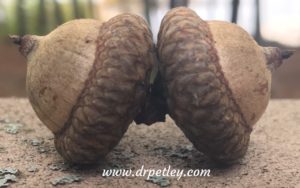
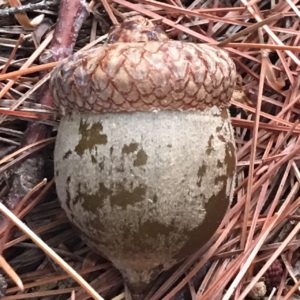
    This is a picture of an acorn from the red oak.  There are two basic groups of oaks: red (also labeled as black) and white.  One way to distinguish oak groups is to look under the acorn cap.  The inner surface of the white oak acorn cap will be smooth.  The inner surface of the red oak acorn cap will be covered in velvety hairs.  Acorns in the red oak category of trees take two seasons to mature and the dropped acorns will germinate in the spring of the following year, whereas the acorns in the white oak category take only one season to mature and will germinate once they fall to the ground.  It takes about 25 years for the red oak to start producing acorns and about 50 years for it to produce a sizeable crop. 

    Acorns of the red oaks are higher in tannins and said to be bitterer (some dictionaries argue and prefer the phrase more bitter) than acorns of the white oaks.  Remember, all acorns contain tannins, just varying concentrations.  These tannins are water soluble constituents that are easily leached out by soaking the acorns and changing the water, making the acorns palatable.

    Dr. Petley - Red Oak Acorns
    Dr. Petley – Red Oak Acorns

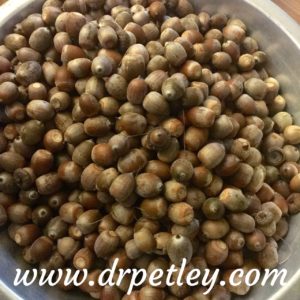
    Collecting and processing acorns for food should be a social event with family and friends – also, include passersby who might be curious as to why you are collecting acorns.  Consider offering acorn-made treats so everyone can confirm that acorn flour is indeed an ideal food.  This is how we once again collectively normalize a once-standard autumn event.

    Dr. Petley - Cracking Red Oak Acorns
    Dr. Petley – Cracking Red Oak Acorns

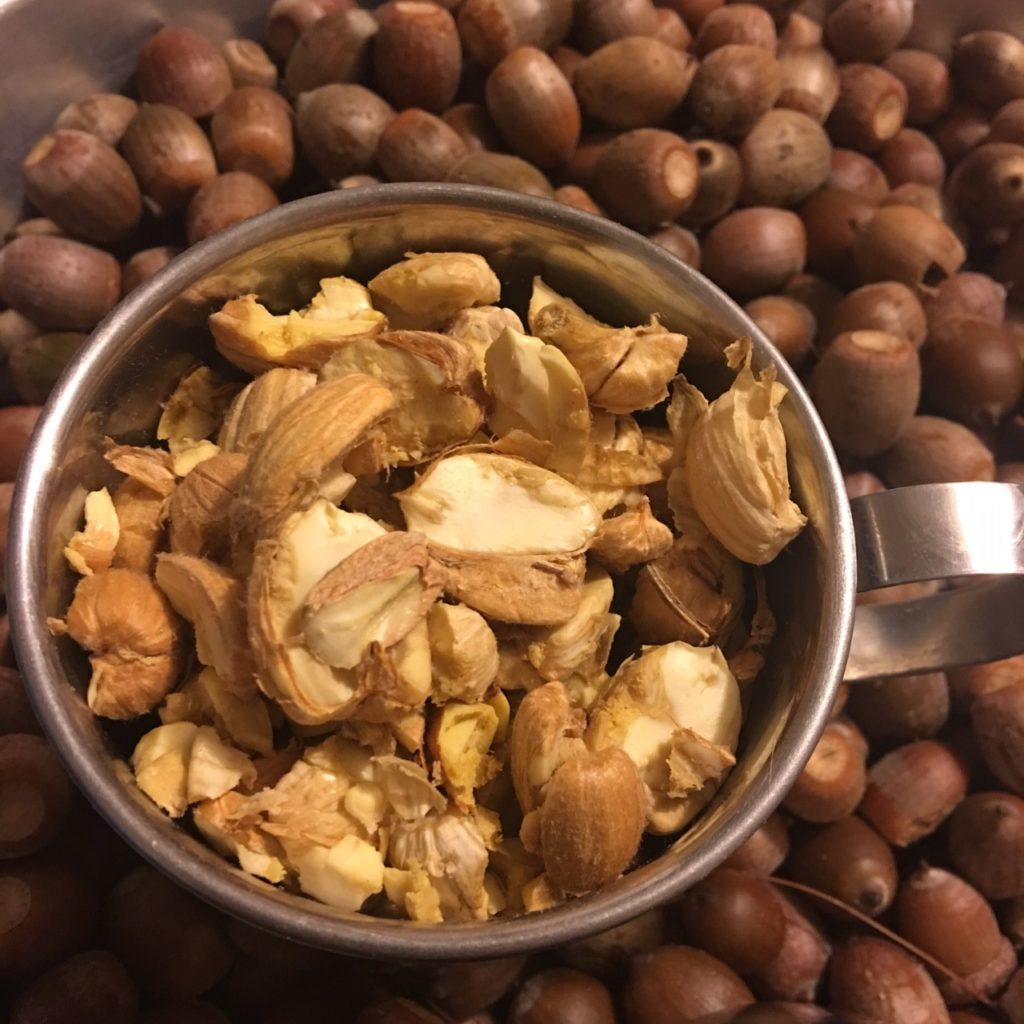
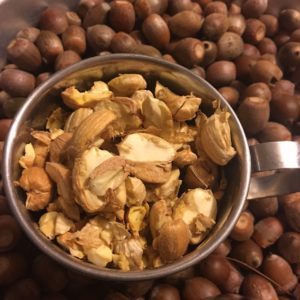
    Once collected, the acorns need to be split open in order to collect the bitter meat.  I will add here that the most time consuming and labor intensive part of making acorn flour is the cracking of the shells.  Some use a heavy stone in order to crack the shell.  I tend to use what I had on hand, which is often a nut cracker and nut pick.  It works fine for small batches, but I would opt for the heavy stone for an entire harvest because it would be easier on the fingers.  I’ve heard of some running over them with cars but I’ll leave that experiment for another time.

    There are two ways to process acorns: with or without heat.  Both involve soaking in water to leach the tannins. The method shown here is the method that does not involve heat.  It takes longer to leach the tannins, but it helps retain the natural oils. The other method involves boiling the acorn meat to speed the leaching process.  The meat is placed in a pot with water and boiled for 15 minutes.  The water is discarded and the nuts are boiled again.  This process is repeated until the nut meat has been leached of its tannins and tastes bland. Unfortunately, it can also boil out some of the healthy oils.  Try both methods to see if you can detect a taste or texture difference.  It is possible that one method is better suited for your needs.

    For those who think it would take many trees to produce enough flour for even a small batch of pancakes, it surprisingly doesn’t take many acorns at all.  It takes about 3 cups of acorn meat to yield 1 cup of flour. 

    Dr. Petley - Making Acorn Flour
    Dr. Petley – Leaching Acorn Tannins

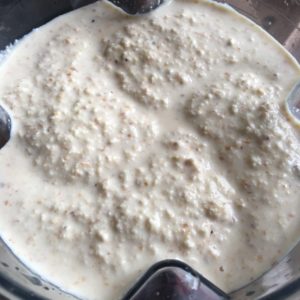
    Once the acorns have been shelled, place them in a blender and add water to cover.  By grinding the acorns at this stage, it allows the tannins to leach faster than had the meat been left whole.  It only takes a minute or two to grind.   

    Dr. Petley - Making Acorn Flour
    Dr. Petley – Leaching Acorn Tannins

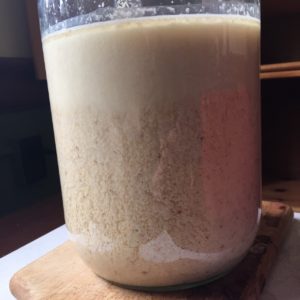
    Place the contents in a large jar or bowl.  I used a gallon glass jar.  Add room temperature water to the top or to cover.  Secure muslin or cheesecloth over the jar to keep out flies and dust.

    Dr. Petley - Making Acorn Flour
    Dr. Petley – Leaching Acorn Tannins

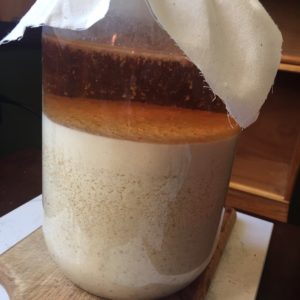
    Let the mixture settle overnight.  Notice the reddish color of the water – this is caused by the tannins.  Carefully pour off the water without losing any of the pulp.  Fill the jar again with fresh water.  I prefer to give the mixture a quick stir at every washing.  Repeat this step for about one week or until a sample of the nut meat tastes bland and not bitter.  I go by taste and not the absence of the red coloring because that never disappears completely (although it does lighten up a bit over the course of the week).  To create a basis for what is bland or bitter, sample a morsel just after grinding.  Its astringency will pucker the mouth and make it feel extremely leathery.

    Dr. Petley - Making Acorn Flour
    Dr. Petley – Straining Acorn Mash

    Dr. Petley - Making Acorn Flour
    Dr. Petley – Straining Acorn Mash

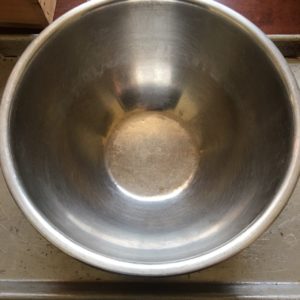
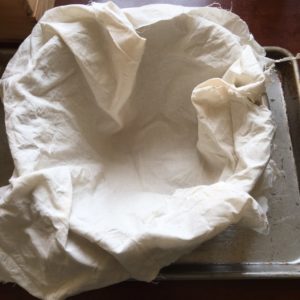
    Once the meat tastes bland, it is time to strain out all the liquid.  Line a large bowl with cheesecloth or muslin as shown.

    Dr. Petley - Making Acorn Flour
    Dr. Petley – Straining Acorn Mash

    Dr. Petley - Making Acorn Flour
    Dr. Petley – Straining Acorn Mash

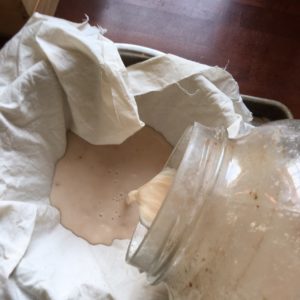
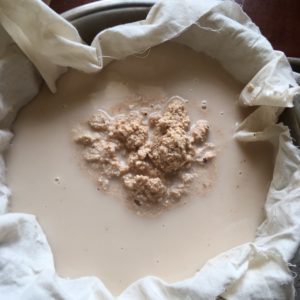
    Pour the contents into the cloth. This can be done is batches if needed.

    Dr. Petley - Making Acorn Flour
    Dr. Petley – Straining Acorn Mash

    Bundle up the corners of the cloth, being careful not to spill the ground nut meat.  Twist the corners together and squeeze out as much liquid as possible.  A tincture press would make this job easier on the hands but is not required.  It would certainly press out more water and shorten the drying process.

    Dr. Petley - Making Acorn Flour
    Dr. Petley – Drying Acorn Flour

    Dr. Petley - Making Acorn Flour
    Dr. Petley – Drying Acorn Flour

    Spread the contents on a cookie sheet into a thin layer.  You can either let this air dry at room temperature (it could take several days) or place it in a warmed oven (ideally, 100-150 degrees) for several hours.  Note: Excess heat will destroy the natural oils. 

    Dr. Petley - Making Acorn Flour
    Dr. Petley – Drying Acorn Flour

    Dr. Petley - Making Acorn Flour
    Dr. Petley – Drying Acorn Flour

    Dry until the ground nut meat feels dry to the touch and does not easily clump in the hand. 


    Dr. Petley - Making Acorn Flour
    Dr. Petley – Grinding Acorn Flour

    Place the dry and cooled acorn meat in a coffee grinder or food processor that is suitable for powdering dry material.  One can also use a grain mill.  Grind to a flour or your preferred level of coarseness. 

    Dr. Petley - Making Acorn Flour
    Dr. Petley – Grinding Acorn Flour

    Dr. Petley - Making Acorn Flour
    Dr. Petley – DIY Acorn Flour

    The acorn flour is now ready to be used as food!  Store the flour in a glass jar away from light, humidity, and heat.  

    Dr. Nate Petley is a naturopathic doctor and clinical herbalist.  He lectures throughout New England sharing his expertise in naturopathic and botanical medicine. Dr. Petley blends the art and science of herbalism in his clinic and classroom, relying on his 20 years of experience studying, wildcrafting, and making herbal medicine.

    Dr. Nate Petley  |  www.drpetley.com  |  2016. All rights reserved.  All text and photos are the property of Nathaniel Petley, ND.


  • Dr. Nate Petley - Harvesting Medicinal Plants - Herbal Preparations - Plant Wisdom

    Roasted Dandelion Root Tea (Part 2)

    Roasting Dandelion Roots with Dr. Nate Petley

    roasting-dandelion-roots

    With the coloring of the trees and the cooling of the temperatures in a typical Maine October, one often thinks of pumpkins.  However, once that frost starts occurring more regularly, I think of a hot mug of roasted dandelion roots.  Roasting brings out the earthiness of the roots.  It is rich in texture and in flavor and pairs well a warm blanket and a good book.  I find it a beverage of choice for after dinner when I want something rich like coffee but without the caffeine. 

    Do not collect or use dandelions that come from fields or yards that have been sprayed with chemicals. If harvesting these for the first time, please find a knowledgeable herbalist who can correctly identify them (in case you have any questions).

    fullsizerender7

    These roots were harvested from the garden where I let them grow freely throughout the summer.  They don’t take up much space and in fact help choke out other more invasive weeds.  Plus, these ‘weeds’ are highly edible and not a weed to me but nutritious food.  Recall the simple definition of a weed: a plant growing where we don’t want it.  To learn how I harvested these, click here.  They have already been thoroughly cleaned from soil, stones, foreign plant material, etc. 

    On a cutting board, cut up the roots that are larger than say a pencil.  Larger pieces take a little longer to roast than the smaller roots, which I leave whole.  

    fullsizerender8

    Lay them on a cookie sheet in a single layer.  Unlike other roasted vegetables, do not add olive oil, salt, or garlic (although, come to think of it, that combination would make a great base for a root soup with turnips, onions, potatoes, kale… but I digress).

    img_3205

    Place the cookie sheet in the oven set at 250°F.  The time the roots take to roast depends on the oven temperature, the size of the roots, and the preference of how roasted one prefers their roots.  Lower oven temperatures are ideal but it takes longer to roast.  I don’t get too fancy when cutting the roots except to make each batch relatively uniform in root size.  Larger pieces take longer to roast.  Some will throw the chopped roots into a food processor to create a finer texture (remember, you are not looking for powder).  When I made this batch, I forgot they were in the oven and I thought I burned them.  A few got a more crisp than I had planned.  However, the more you roast them, them more ‘coffee’ like the brew makes.  So bottom line is to plan on about two hours of roasting, give or take an hour.  Stir the roots every 15 minutes or so to ensure uniform drying and roasting.  Some will keep the door ajar to allow the moisture to escape but I don’t make large enough batches at one time to make much difference.  I would if I roasted several pans at once. 

    img_3207

    fullsizerender9

    It’s difficult to note differences in these pictures, but as the roots roast, the get duller and more uniform in color.  The smaller roots will snap when bent.  As the roasting nears the end, I will stir more frequently.

    fullsizerender10

    Once roasted, larger pieces will crumble into smaller pieces like these.

    img_3259

    The next task is to grind the roots.  Some days I like the slower process of making herbal medicine and I’ll use a mortar and pestle.  Other days I might grind these in a coffee grinder for ease and speed. 

    img_3261

    Grind the roots to a gritty powder.  This will speed the extraction process when making roasted root tea and allow the tea to be steeped.  Otherwise, larger pieces of roots would need to be decocted (simmered on the stove).

      img_3262

    There are many ways and many recipes to make the roasted dandelion root tea.  Certainly, this is not the only way to brew up a cup, but it’s a way I do it more often than not.  Add one tablespoon of ground roots per cup of boiling water, steeped covered for 10 minutes.  This will create a rich, coffee-like beverage.  For a less intense tea, try one to two teaspoons per cup.   

    img_3266

    img_3267

    img_3268

    For most of my teas, I do not use a tea bag or a fancy-looking tea strainer.  I much prefer my herbs to swim around in the jar.  This allows for proper swelling of the herbs and a better extraction process.  Metal tea strainers, however cute they might be, are typically too restrictive and yields a milder tea. 

    img_3269

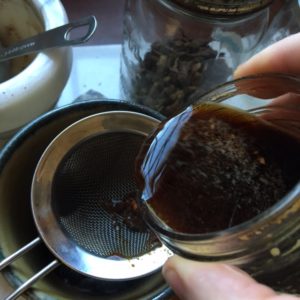
    Once the tea has brewed to the desired strength, pour the tea through a fine-mesh sieve to remove the bits of roots. 

    img_3273

    The final brew will be coffee-like color – dark brown to nearly black.  There is a residual sweetness that lingers in this tea because the fall roots are full of polysaccharides.  It does have a bitter flavor but I find it akin to that of coffee.  Some might add dairy (animal or vegetable based) or a sweetener, but I’m very much a purist and drink it black.  Try a plain cup for yourself before adding extras just to get a sense of what it tastes like.  After, go wild!  Consider adding warming spices like nutmeg, cardamom, and cinnamon.  You could also turn this into a ‘mocha’ like beverage with the addition of cocoa powder.  Have a favorite recipe?  I’d love to hear it and try it.

    Dr. Nate Petley is a naturopathic doctor and clinical herbalist.  He lecturers throughout New England sharing his expertise in naturopathic and botanical medicine. Dr. Petley blends the art and science of herbalism in his clinic and classroom, relying on his 20 years of experience studying, wildcrafting, and making herbal medicine.

    Dr. Nate Petley  |  www.drpetley.com  |  2016. All rights reserved.  All text and photos are the property of Nathaniel Petley, ND.

  • Dr. Nate Petley - Harvesting Medicinal Plants - Herbal Preparations - Plant Wisdom

    Roasted Dandelion Root Tea (Part 1)

    Harvesting Dandelion Roots with Dr. Nate Petley

    harvesting-dandelion-roots

    Behold the amazing dandelion!  Not only can we eat the nutritious greens in spring, but we can make a delicious root tea come fall.  Once the fall frosts start, and about the time I’m digging the last of my potatoes and carrots, I keep on the lookout for dandelions in the garden.  I tend to let my dandelions grow throughout the garden and only weed them out if they are interfering with other vegetables and herbs.  In this way, I can select new dandelion leaves and they are produced throughout the summer and it ensures sizeable and easily harvested roots in the fall.  You could say I do my best weeding long after the growing season.

    img_3189

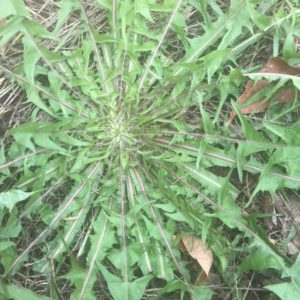
    Dandelions are relatively easy to identify, with their toothed leaves in a basal rosette arising from a long taproot.  They are a member of the Asteraceae family.  The midrib of the leaf and the stem of the flower will produce a milky sap when broken.   Despite their widespread distribution, they have naturalized from Europe.

    Do not collect or use dandelions that come from fields or yards that have been sprayed with chemicals. If harvesting these for the first time, please find a knowledgeable herbalist or botanist who can correctly identify them (in case you have any questions). 

    img_3190

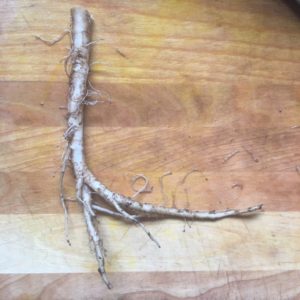
    With spade in hand (a trowel works fine too), lift out the long taproots.  They pull right out once you loosen the soil.  I never worry about over harvesting these from the garden because wherever the root breaks, another plant will grow come spring. 

    img_3194

    In my central Maine soil, the roots are often contorted and branching – signs of rocks and sticks throughout.  I will say that garden grown dandelions are far easier to harvest than their field counterparts.  Digging dandelion roots is a back-breaking job but I find an hour of work in the fall completely worth it when I sip on the roasted dandelion root tea while watching the snow fall all winter.

    fullsizerender4

    Upon digging, look for insects that may be living on the roots. It is rare to see something eating the dandelion but this year, as if on cue for the camera, I noticed aphids living among the roots of one plant.  Simply remove surface insects or discard the entire root if there is considerable damage.  Where there is one dandelion, there is often an abundance of them – so I don’t worry about saving every last piece.   

    fullsizerender

    fullsizerender1

    With a sharp knife, remove leaves at the junction where the root begins.  For root coffee, it is best not to include any portion of the leaves.  However, the leaves here are a fall flush and completely suitable for using as a potherb (sauté or boil).  Some only consume the leaves in early spring because they are more tender and less bitter, but once they start producing leaves again after the drying summer, I can find enough young leaves to throw into a salad (yes, they are bitter!) or to cook up.    

    fullsizerender2

    You may see the bitter milky sap seep from the root.  If it gets on the skin, it can slightly stain the skin brown.  I don’t often distinguish this versus the stains of good garden soil, but either way a good scrub with homemade soap does the trick to clean the hand after harvesting.  Folk lore indicates that this latex has been used to help remove warts when applied daily.  While I haven’t seen this to be effective in the clinic, I do love to propagate lore about the medicinal use of herbs.  

    fullsizerender3

    Be on the lookout for root rot or signs of overwintering insects in the larger, fleshy portions of the root.  Simply cut out the section or discard the entire root. Older roots are more likely to split and create cavities that fill with soil and it is not uncommon to see earthworms tucked up inside.

    fullsizerender6

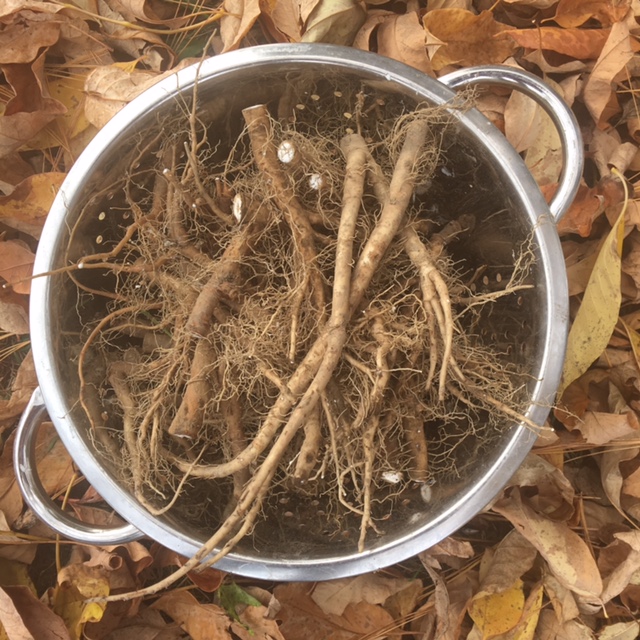
    What I’ve learned over the years is that I need to harvest double the amount I think will be enough.  It never is.  When you get tired of digging or truly think you have enough, sort through the roots to remove leaves, sticks, foreign plant material, rocks, and insects.  Shake off as much soil as possible.  Wash thoroughly because there will be soil in all the tiny crevices.  I do this outdoors.  An easy approach is to fill a bucket with water and swish and dunk the roots while inspecting them again.  One can never be too careful!  I will change the water several times as the soil falls off and muddies the water.  Place them in a colander for a final rinse. 

    At this point, there are many options for using and preserving these roots for winter use.  They can be made into dandelion root tea either in this fresh state or dried to use later in the year.  They can be made into a tincture.  My favorite way to process these roots in the fall is to roast them.  The smaller roasted roots make a tasty and bitter pre-dinner digestive stimulant and the larger roots can be ground down with a mortar and pestle to make ‘root coffee’ (this beverage goes by many names).  To learn how I make roasted root tea, see Part 2!

    Dr. Nate Petley is a naturopathic doctor and clinical herbalist.  He lecturers throughout New England sharing his expertise in naturopathic and botanical medicine. Dr. Petley blends the art and science of herbalism in his clinic and classroom, relying on his 20 years of experience studying, wildcrafting, and making herbal medicine.

    Dr. Nate Petley  |  www.drpetley.com  |  2016. All rights reserved.  All text and photos are the property of Nathaniel Petley, ND.


  • Dr. Nate Petley - Herbal Preparations - Local Lectures - Maine Center for Natural Health

    Making Herbal Soaps

    Have you ever wanted to try making your own herbal soaps?  Now you can!  Dr. Petley is not only a licensed naturopathic doctor, he is also an experienced soap maker!

    This class will cover all aspects of making a batch of cold-processed soap.  We start the class with a discussion about safety, ingredients, techniques, and tools.   After the discussion, we will all participate in making a batch of soap.  This is a hands-on class, so plan to have fun! 


    Tuesday, August 30th | 6PM-9PM | $50

    Class includes Materials, Handouts, and Soap!

    Preregistration required via email, phone (207) 616-0049, or online (click here)

    Class on Soap Making


  • Dr. Nate Petley - Herbal Preparations - Local Lectures

    Herbs of the Summer Fields

    Herbs of the Summer Fields with Dr. Nate Petley

    Learn about useful herbs growing in fields throughout the summer months in Maine with Dr. Nate Petley, naturopathic doctor and clinical herbalist. Dr. Petley will discuss herbal extractions and various applications throughout the class while introducing herbs growing at Inner Wisdom Sanctuary, focusing on those that are ready to harvest. He will discuss plant identification, harvesting techniques, usage, and contraindications. Some of the featured medicinal herbs include yarrow, St. johnswort, plantain, red clover, and many more!

    Inner Wisdom Sanctuary

    200 Beans Corner Road, New Sharon, Maine

    Register Here

    Sunday, July 24th, 10AM-3PM $60 Lunch optional ($15 payable to Inner Wisdom Sanctuary)

    Herbs of the Summer Fields


    Details at www.drpetley.com/lectures.


  • Herbal Monographs - Herbal Preparations - Local Lectures

    The Amazing Dandelion

    It’s dandelion season in Maine! Dandelions are one of my favorite wild foods (ok, I have a lot of favorites…), but these ‘weeds’ do rank highly. Join me in New Sharon, Maine for this outdoor, hands-on class where you will experience harvesting, tasting and making herbal medicine. Handouts and recipes will be provided.

    Discover wild food & medicine in your own backyard!  Learn how to harvest, cook, and make medicine from all parts of the dandelion. Student participation is highly encouraged! 

    This event is almost rain or shine (heavy rain will cause us to cancel). Outdoor shelter is provided but please dress appropriately.

    Preregistration is required and exact location will be provided upon registration. Click here to register online.  Call or email to reserve your seat and pay at the workshop.

    Sunday, May 22  |  10AM-2PM  |  $60

    Location: a private residence in New Sharon, Maine—exact location and directions will be shared at registration.

    Dandelion Workshop

    Nathaniel Petley, ND  |   (207) 616-0049  |  [email protected]  |  www.drpetley.com